Choosing a gift for a newborn is already a delicate task—add a mental health condition to the mix, and you’re stepping into a more nuanced arena. The goal isn’t just to delight; it’s to support, soothe, and nurture. This guide will walk you through the thoughtful process of how to choose baby gift hamper for a baby with a mental health condition, blending practical advice with a sprinkle of light humor to keep the mood buoyant.
Understanding the Unique Needs of Babies with Mental Health Conditions
Before you dive into a sea of plush toys and squeaky rattles, it helps to grasp why a specialized hamper matters.
What Makes a Baby’s World Different
Babies with mental health conditions often experience heightened sensory sensitivity or emotional regulation challenges. A familiar scent or a gentle texture can be a lifeline, while bright lights or loud noises may feel like a storm in a teacup. Knowing this, the hamper becomes more than a collection of items—it becomes a toolkit for calm.
The Role of Sensory Experiences
Sensory play isn’t just fun; it’s foundational. Soft fabrics, weighted blankets, Greeting cards and low‑volume music can anchor a baby’s nervous system. Think of the hamper as plush toys a “sensory first‑aid kit” that helps the little one feel safe and grounded.
Key Factors to Consider When Choosing a Baby Gift Hamper
Now that we’re on the same page about why this matters, let’s tackle the practical side.
Sensory‑Friendly Materials
- Soft, hypoallergenic fabrics: organic cotton, bamboo, or muslin. Non‑toxic dyes: ensure the baby’s skin won’t react. Smooth edges: avoid sharp corners that could irritate delicate skin.
Comfort and Security Items
- Weighted blankets: the gentle pressure can mimic a comforting hug. Soft loveys or plush toys: choose ones that are machine‑washable and free of loose parts. Night‑time light: a dim, soothing glow can ease nighttime anxieties.
Developmental Support Tools
- Textured books: tactile pages help stimulate the senses without overstimulation. Gentle musical instruments: a small tambourine or maraca that produces a low, mellow tone. Breathing or mindfulness aids: simple devices that guide gentle rhythmic breathing for both baby and parent.
Building the Perfect Hamper: Practical Tips
A well‑assembled hamper feels like a warm hug in a box. Here’s how to craft it.
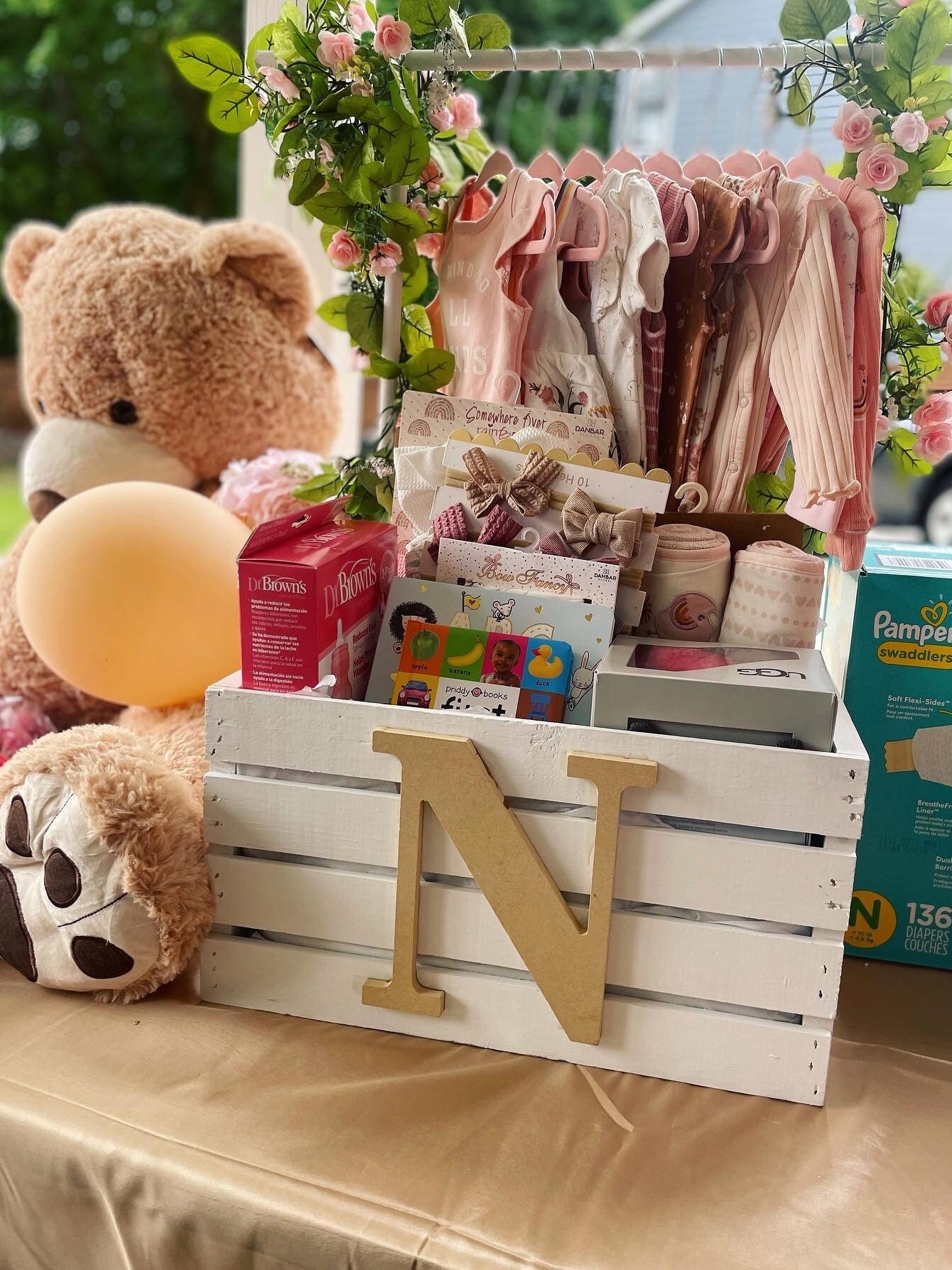
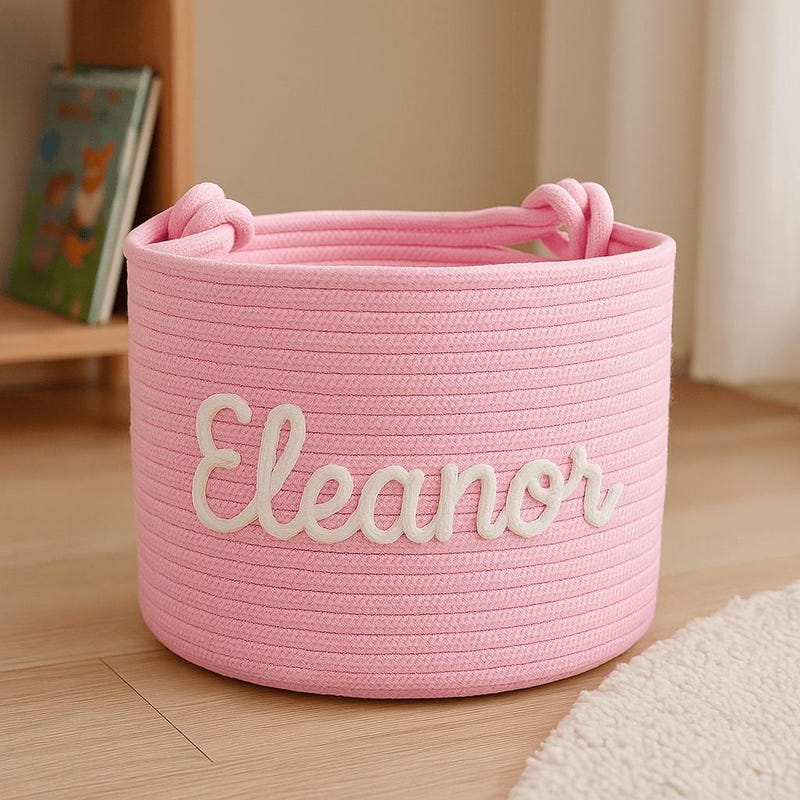
Start with a Clear Theme
Choose a unifying idea that ties all items together—“Calm & Comfort,” “Sensory Exploration,” or “Gentle Beginnings.” A theme keeps the hamper focused and reduces the risk of overwhelming the baby with too many unrelated items.
Curate Thoughtful Selections
- Select items that complement each other: for example, pair a weighted blanket with a soft, breathable blanket in the same color family. Prioritize quality over quantity: a single high‑quality sensory toy can be more impactful than a dozen mediocre ones. Include a small note: a handwritten card offering reassurance can be a gentle reminder that the gift is meant to help.
Packaging and Presentation
- Use a sturdy, reusable tote: eco‑friendly and practical for parents who’ll reuse it for future needs. Layer items with soft tissue paper: adds a touch of elegance while protecting delicate items. Add a small, calming scent: a lavender‑infused sachet (non‑allergenic) can enhance the sensory experience.
Common Mistakes to Avoid
Even with the best intentions, pitfalls can sneak in. Spot them early to keep your hamper on track.
Overloading with Too Many Items
It’s tempting to fill the hamper with every adorable toy you find. Remember the old saying, “Less is more.” Too many items can create sensory overload—especially for a baby already navigating a mental health condition.
Ignoring Professional Advice
Consulting a pediatrician or a child‑development specialist can provide invaluable insights. They can suggest specific items that align with the baby’s condition, ensuring your hamper is truly supportive.
The Perfect Gift Awaits
Choosing the right hamper is a delicate dance between empathy, practicality, and a dash of humor. Think of it as crafting a safety net made of soft fabrics and gentle sounds—a net that says, “I’m here for you, no matter how stormy the day.”
When you hand over that thoughtfully curated hamper, you’re not just giving a gift—you’re offering a comforting hug, a calming lull, and a promise of support. The parents will appreciate the care, and the baby will feel a little more at ease in a world that can sometimes feel overwhelming.
So, next time you’re asked, “How to choose baby gift hamper for a baby with a mental health condition?” remember: it’s less about the quantity of items and more about the quality of comfort they bring. Pack with purpose, wrap with love, and watch the tiny recipient’s eyes light up—not just with delight, but with a sense of safety.
Let your gift be a gentle reminder that even the smallest gesture can make a world of difference.